
North Dakota's legal framework regulates debt collection practices through the NDC and FDCPA. Debt collector lawyers must ensure compliance with rules on contact restrictions, debt validation, and fee structures. Debtors have rights protected by law, including identification, validation, transparency, and record-keeping. Choosing a debt collector Lawyer North Dakota requires examining fee agreements, track records, and ethical standards.
Debt collection practices significantly impact individuals and businesses across North Dakota, with fee structures playing a crucial role. Understanding these fees is essential for consumers, especially when navigating interactions with debt collectors. However, the complexity of legal frameworks and varying industry standards can be daunting. This article serves as a comprehensive guide for residents, offering insights into the fee structures employed by North Dakota debt collection agencies. By demystifying these practices, we empower individuals to make informed decisions and protect their financial rights, ensuring fair treatment by debt collectors. A debt collector lawyer in North Dakota can provide further guidance tailored to specific circumstances.
North Dakota Debt Collection Laws and Regulations
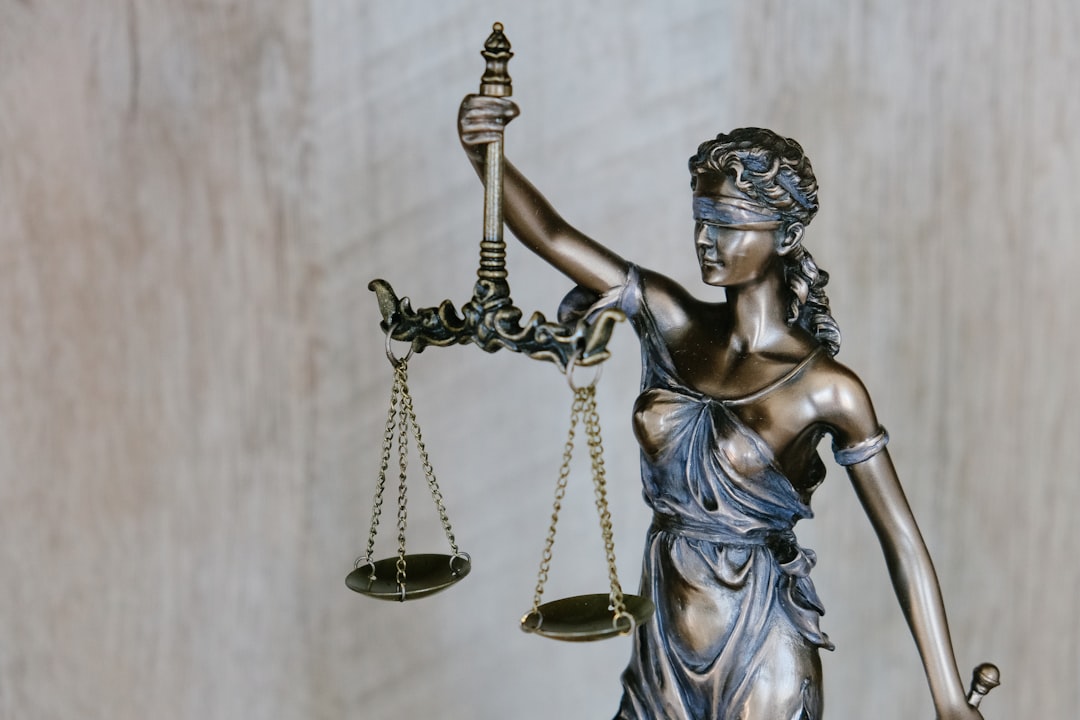
North Dakota has established a legal framework for debt collection practices to ensure fairness and transparency. The state's regulations are designed to protect consumers from abusive or unfair tactics, while also providing clear guidelines for legitimate debt collectors. Understanding these laws is crucial for both individuals facing debt and debt collector lawyers in North Dakota.
The North Dakota Century Code (NDC) outlines the rights of debtors and sets forth rules for collection agencies. Chapter 10-04 covers debt collection practices, restricting when and how collectors can contact consumers. For instance, they are prohibited from calling before 7 am or after 9 pm, using obscene or abusive language, or threatening to take illegal action. Debt collector lawyers in North Dakota must advise their clients to adhere to these guidelines to avoid legal repercussions. Additionally, the NDC requires debt collectors to provide a written notice within five days of initial contact, detailing the amount owed and the name of the collection agency.
Another critical aspect is the validation of debts. According to the FDCPA (Fair Debt Collection Practices Act), debt collectors must verify the debt's authenticity before pursuing collection activities. They must obtain and review original creditor documentation, ensuring the debt is legitimate and accurately calculated. This process offers debtors significant protection, allowing them to dispute any errors or inaccurate claims. It's essential for both collection agencies and debt collector lawyers in North Dakota to comprehend these validation requirements to ensure compliance.
Understanding Debt Collector Fee Structures

Debt collector fee structures in North Dakota are a critical aspect of understanding the financial implications for both consumers and debt collection agencies. In this state, a debt collector Lawyer North Dakota emphasizes that these fees are subject to regulatory oversight, primarily by the North Dakota Attorney General's Office, ensuring fairness and transparency. The basic structure often includes a combination of fixed charges and percentages of the recovered debt, with some agencies also charging administrative or account maintenance fees.
A common fee arrangement is the contingency fee model, where the collector receives a percentage (typically 20-30%) of the total debt recovered. This model incentivizes collection efforts but can be costly for debtors. Additionally, fixed fees are charged for services like account setup, documentation, and legal actions such as wage garnishments or asset seizures. It's crucial for consumers to request detailed fee breakdowns to avoid surprise charges, a practice encouraged by the North Dakota attorney general. For instance, a 2021 report revealed that over 75% of debt collection cases in the state had fees exceeding initial estimates.
Practical advice for debtors is to review contracts thoroughly and consult with a debt collector Lawyer North Dakota to understand potential costs. Negotiation is also an option; some agencies may adjust fees or offer payment plans, especially for larger debts. Staying informed about one's rights and exploring these options can help alleviate financial burdens associated with debt collection processes.
Consumer Rights and Protections in ND

In North Dakota, consumers engaging with debt collectors should be aware of their rights and protections under state laws. The Fair Debt Collection Practices Act (FDCPA) serves as a cornerstone, dictating how debt collectors can interact with debtors. This federal legislation mandates that debt collectors refrain from using abusive, false, or deceptive means in their attempts to collect debts. A debt collector lawyer in North Dakota emphasizes that collectors must identify themselves and provide validation of the debt when requested by the consumer.
North Dakotans have specific rights regarding fee structures. According to the North Dakota Attorney General's Office, debt collection agencies cannot charge excessive fees or include hidden costs. Any fees assessed must be reasonable and proportional to the services provided. For instance, a debt collector cannot charge a flat "collection fee" without breaking down the components of that fee. Consumers should thoroughly review contracts and demand transparency from debt collectors.
The state's Division of Securities also plays a crucial role in monitoring debt collection agencies. They investigate complaints related to unfair or deceptive practices, ensuring compliance with North Dakota laws. If a consumer feels their rights have been violated, they can file a complaint with this division. It's advisable for debtors to document all communications and keep records of interactions with debt collectors to facilitate any potential legal actions or discussions with a debt collector lawyer in ND.
Actionable advice for consumers includes maintaining detailed logs of conversations, requesting validation of debts, and seeking legal counsel if violations occur. A debt collector lawyer in North Dakota can provide valuable guidance tailored to state laws, helping consumers navigate their rights and protect themselves from abusive collection practices.
Choosing the Right Debt Collection Lawyer

Choosing the right debt collection lawyer in North Dakota is a strategic decision that can significantly impact your financial outcome. With various fee structures and legal complexities, it's crucial to understand how these lawyers operate before engaging their services. In North Dakota, debt collector lawyers typically charge on a contingency basis, meaning they receive a percentage of the total recovery amount if they successfully collect the debt. This model incentivizes the lawyer to work efficiently, as their compensation is directly tied to results. However, it's essential to review the specific contingency rate, which can vary between 25% and 40%, ensuring it aligns with your expectations.
The fee structure should be transparent and fair. Reputable debt collection lawyers in North Dakota will provide a detailed breakdown of costs, including any out-of-pocket expenses. They should also offer guidance on the expected timeline for debt recovery, allowing you to set realistic expectations. For instance, if a lawyer guarantees a certain percentage of recovery within a specific time frame, ensure that promise is legally enforceable and in line with industry standards. It's advisable to request and compare fee agreements from multiple lawyers to make an informed choice.
When selecting a debt collector lawyer, consider their experience handling cases similar to yours. Specialized knowledge in areas like consumer rights or complex debt negotiations can be invaluable. Check the lawyer's track record, including success rates and client testimonials, which provide insights into their effectiveness and professionalism. Additionally, ensure the lawyer is licensed and adheres to North Dakota's ethical guidelines, guaranteeing a competent and trustworthy representative for your debt collection matters.