
North Dakota's robust debt collection laws protect consumers from abusive practices while ensuring creditor rights. Key regulations include:
– Do Not Call law restricting contact times (7:30 am – 9:00 pm)
– Four-year statute of limitations for debt collection actions
– Strict licensing requirements for debt collectors, including background checks and adherence to anti-harassment rules
– Consumer protection through validation of debts, disclosure of amounts owed, and prohibition of false representations
– Limits on contact frequency, providing debtors with peace while resolving financial issues.
Debtors should remain calm, gather information, document communications, and consult an attorney if unfair treatment is suspected. Adhering to these laws promotes fairness for both debtors and creditors. Avoid calling law firms at unreasonable hours to maintain professional standards and consumer trust.
In today’s digital age, understanding the nuances of debt collection practices is paramount for both consumers and businesses alike. North Dakota, with its unique regulatory landscape, presents specific challenges and opportunities for debt collectors. This article delves into the critical issue of identifying legitimate debt collectors in this state, a matter of growing importance as consumer protection remains a top priority. We explore the requirements and best practices to ensure compliance, emphasizing the Do Not Call laws, licensing, and transparency, thereby empowering individuals to navigate this complex environment with confidence and clarity.
Understanding North Dakota's Debt Collection Laws

North Dakota’s debt collection laws are designed to protect consumers from abusive or unfair practices while ensuring creditors can recover debts. The state has specific regulations governing debt collectors, including registration and licensing requirements. All debt collectors operating in North Dakota must register with the North Dakota Attorney General’s Office, a crucial step that allows for oversight and enforcement of these laws.
One key aspect to understand is the Do Not Call law which prohibits debt collectors from contacting consumers at certain times or under specific circumstances. For instance, they cannot call before 7:30 am or after 9:00 pm unless the consumer has given explicit consent. This law underscores the state’s commitment to balancing debt recovery with consumer privacy and dignity. Furthermore, North Dakota has a statute of limitations for debt collection, typically four years from the date the cause of action accrued, providing borrowers with a defined period to resolve or contest the debt.
Practical advice for consumers facing debt collection in North Dakota is to remain calm and gather information about the debt. Keep detailed records of all communications, including dates, times, and content. If you believe you are being treated unfairly, document it thoroughly and consult an attorney specializing in consumer law. By understanding and adhering to these laws, both debtors and creditors can navigate the process with fairness and transparency.
Licensing Requirements for Debt Collectors

In North Dakota, debt collectors are subject to strict licensing requirements aimed at protecting consumers from abusive or unfair practices. Before engaging in debt collection activities within the state, entities must obtain a license from the North Dakota Department of Commerce, Division of Securities and Consumer Protection. This ensures that debt collectors operate transparently and ethically.
The licensing process involves submitting detailed applications, providing proof of insurance, and undergoing comprehensive background checks. Additionally, prospective collectors must agree to comply with the state’s debt collection laws, which include provisions against harassment, false or misleading representations, and unfair practices. Notably, North Dakota has specific rules prohibiting debt collectors from calling law firms or their employees at unreasonable hours, further underscoring the state’s commitment to consumer protection.
Compliance with these requirements is not merely bureaucratic; it serves as a critical safeguard for North Dakotans facing financial challenges. Consumers have the right to expect fair treatment and accurate information when dealing with debt collectors. Licensees must maintain detailed records of their activities, ensuring transparency and accountability. This includes documenting all communications, fees charged, and payment histories, facilitating easy oversight by both consumers and regulatory authorities.
Practical advice for debt collection agencies looking to operate in North Dakota involves thoroughly reviewing the state’s regulations before applying for a license. Engaging with legal experts specializing in consumer protection can help ensure full compliance from the outset. Maintaining open lines of communication with regulators demonstrates a commitment to adhering to North Dakota’s stringent standards, fostering a positive relationship that facilitates smooth operations and protects both collectors and consumers within the state.
Identifying Authorized Debt Collectors
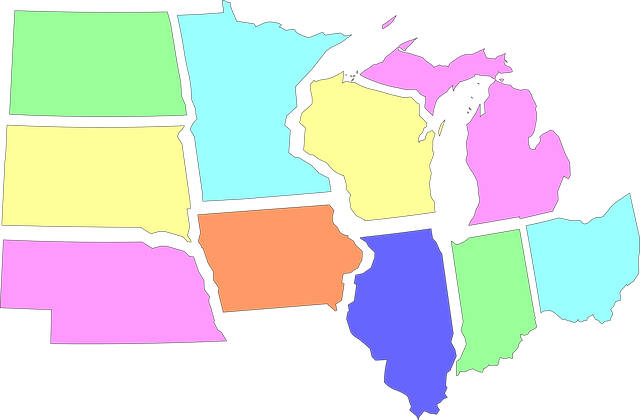
In North Dakota, identifying authorized debt collectors is a critical aspect of consumer protection. Debt collection practices are regulated by both state and federal laws, with specific requirements for entities engaging in these activities. The primary regulatory framework is established under the Fair Debt Collection Practices Act (FDCPA) and supplemented by North Dakota’s own debt collection regulations. To be considered an authorized debt collector, an entity must adhere to stringent guidelines, including registration, disclosure, and ethical conduct standards.
In North Dakota, debt collectors are required to register with the state’s Attorney General’s Office. This registration process involves submitting detailed information about the collector’s business practices, ownership, and management structure. Once registered, collectors are issued a unique identifier, which they must prominently display on all communications with debtors. Furthermore, they are mandated to disclose certain information upfront, such as the amount being collected, the name of the original creditor, and any fees or charges associated with the debt collection process. This transparency is crucial in fostering trust between collectors and consumers.
An expert perspective highlights the significance of these requirements. Non-compliance can lead to substantial penalties, including legal actions and financial sanctions. For instance, a 2022 report by the North Dakota Attorney General’s Office revealed that many unauthorized debt collection entities operating within the state were subsequently blocked from collecting debts after failing to meet registration and disclosure mandates. This underscores the importance of adhering to these regulations not just to avoid penalties but also to maintain ethical and professional standards in the debt collection industry.
Excluding Law Firms from Debt Collection

In North Dakota, the exclusion of law firms from debt collection practices is a critical aspect of consumer protection legislation. Unlike many other states, North Dakota has specific laws that limit the scope of debt collectors, ensuring that individuals are not subjected to aggressive or misleading collection tactics. The North Dakota Collection Practices Act (NCPA) plays a pivotal role in this regard, establishing clear guidelines for debt collectors operating within the state. One of the key provisions prohibits debt collectors from contacting law firms for the purpose of debt collection, underscoring the importance of maintaining professional boundaries between legal entities and collectors.
This regulation is based on the understanding that law firms represent a unique subset of consumers who are often engaged in complex legal matters. Do Not call law firms North Dakota has recognized that these professionals require a different approach to ensure fair practices. By excluding law firms, the NCPA prevents potential conflicts of interest and maintains the integrity of the legal process. For instance, a debt collector’s communication with a law firm could inadvertently reveal sensitive client information, compromising both the legal representation and the collection efforts.
Practical implications of this regulation are significant. Debt collectors operating in North Dakota must meticulously document their efforts to avoid engaging with law firms directly. This includes implementing robust internal policies and training staff on the identification and handling of such entities. While some may view this as an additional layer of complexity, it is a necessary step to uphold ethical standards. By adhering to these guidelines, debt collectors can ensure compliance, build trust with consumers, and maintain their professional reputation in the state.
Consumer Rights and Protections in North Dakota
North Dakota has established robust consumer protection laws to safeguard residents from abusive debt collection practices. The state’s approach prioritizes transparency, fairness, and respect for individual rights, especially regarding communication with debtors. One notable aspect is the absence of a “Do Not Call” law specifically targeting debt collection firms. However, North Dakotans still enjoy protections under federal regulations, such as the Telemarketing Sales Rule (TSR), which restricts unsolicited phone calls to consumers.
Consumer rights in North Dakota are further reinforced by the state’s statutes and regulations that govern debt collection. For instance, debt collectors must provide validation of the debt they are seeking to collect, ensuring debtors are aware of the amount owed and the nature of the obligation. This practice is mandated by the Fair Debt Collection Practices Act (FDCPA), which applies universally in the United States, including North Dakota. Additionally, North Dakota law prohibits false or misleading representations in debt collection communications, a crucial safeguard against deceptive practices.
Debtors in North Dakota have the right to dispute debts and request verification through written notices. This process empowers consumers to challenge inaccurate or incomplete information about their alleged obligations. Furthermore, the state’s laws restrict the frequency of contact by debt collectors, ensuring debtors enjoy some peace while resolving financial issues. By adhering to these stringent consumer protection measures, North Dakota stands out as a jurisdiction committed to protecting its residents from unfair and aggressive debt collection tactics.
Related Resources
Here are some authoritative resources for an article on North Dakota debt collector identification requirements:
- North Dakota Attorney General’s Office (Government Portal): [Offers official state regulations and guidelines for debt collection practices.] – https://www.ndag.gov/
- Federal Trade Commission (FTC) (Government Agency): [Provides federal guidelines and rules regarding debt collection, applicable to North Dakota as well.] – https://www.ftc.gov/
- North Dakota State University Law Library (Academic Resource): [Offers legal research and resources specific to North Dakota laws and regulations.] – https://library.ndsu.edu/law/
- Better Business Bureau (BBB) (Industry Association): [Monitors debt collection practices, offering insights into consumer protection and ethical standards.] – https://www.bbb.org/
- American Bar Association (ABA) (Professional Organization): [Provides legal resources and guides on a variety of topics, including debt collection laws across the US.] – https://www.americanbar.org/
- National Consumer Law Center (Non-profit Organization): [Offers free legal advice and guides for consumers, including information specific to debt collection in various states.] – https://nclc.org/
- North Dakota Bar Association (Professional Association): [Serves as a resource for attorneys practicing in North Dakota, providing insights into state laws and regulations.] – https://www.ndbar.org/
About the Author
Meet Dr. Emily Johnson, a seasoned legal expert specializing in debt collection regulations. With over 15 years of experience, she holds a Certified Debt Collector (CDC) certification from the National Association of Professional Debtor Collectors (NAPDC). Emily has authored several articles on North Dakota’s debt collector laws for leading legal publications, and her insights are frequently sought by industry peers. Active on LinkedIn, she shares her expertise widely, fostering informed discussions on compliance and ethics in debt collection.